Construction aluminium plates serve as a core metal component in modern curtain wall, roofing, and interior decoration systems. Characterized by their lightweight nature, excellent formability, and superior weather resistance, they are well-suited for a wide range of applications, including commercial complexes, high-rise buildings, coastal projects, and structures with complex, non-standard geometries. The base materials—primarily rust-resistant aluminum and aluminum-magnesium alloys—are paired with specialized surface coatings to ensure long-term durability in outdoor environments.
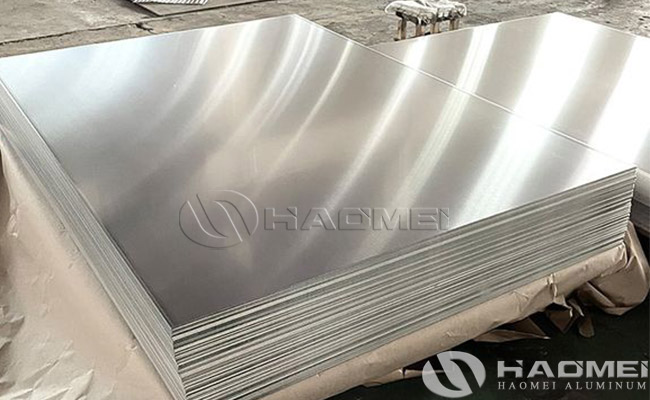
Grade 3003-H14 is a versatile architectural aluminum alloy; the addition of manganese enhances its rust resistance. With a tensile strength of 145–195 MPa, it offers stable performance during bending and stamping, making it a cost-effective choice for roofing, interior ceilings, and standard exterior cladding.
Grade 5005-H34 is frequently used for curtain walls; it features uniform coloration and excellent consistency when anodized. With a tensile strength of 185–235 MPa, it is ideal for facade projects that require strict control over color consistency.
Grade 5052-H32, an aluminum-magnesium alloy, offers exceptional resistance to salt spray and boasts a tensile strength of 230–280 MPa. It is the preferred choice for coastal or high-humidity environments, providing superior stability against wind pressure and fatigue.
Standard thicknesses for construction aluminium plates range from 1.5 mm to 4.0 mm. For exterior curtain walls, a thickness of 2.0 mm or greater is recommended, with 2.5 mm and 3.0 mm being the most common specifications for large-scale projects. Standard sheet widths range from 1000 mm to 1900 mm, with lengths up to 6000 mm. We offer CNC bending, punching, and single or double-curvature forming, enabling the creation of complex shapes such as curved column claddings and domes.
Surface treatment is the primary factor determining the service life of construction aluminum plate. PVDF fluorocarbon coatings (containing ≥70% PVDF resin) are the preferred choice for high-end exterior facades. We provide two-coat systems (≥25 μm thick) and three-coat systems (≥35 μm thick), which offer resistance to neutral salt spray for up to 4000 hours and maintain color stability outdoors for over 15 years, meeting the AAMA 2605 standard. Polyester coatings offer a more cost-effective solution for interior applications or environments with low corrosion risk, while anodizing, brushing, and wood-grain transfer finishes are available for projects requiring specific textures or decorative effects.
Drawing on extensive experience in supplying international projects, we have observed that the compatibility between the coating system and the substrate is frequently overlooked. For instance, when using fluorocarbon-coated aluminum sheets, a 5052 aluminum alloy substrate performs better than 3003 alloy in coastal, salt-laden environments. For a commercial curtain wall project in Southeast Asia, we supplied a large batch of 3003 fluorocarbon-coated aluminum sheets; by strictly managing color consistency against the project’s color swatches, we maintained a ΔE value of less than 3 across the entire shipment, successfully passing the client’s third-party inspection.
Haomei Aluminum offers full customization of construction aluminium plate—including alloy grade, temper, thickness, coating, and dimensions—based on your technical drawings. We provide comprehensive documentation, such as material certificates and coating test reports, and support both bulk orders and initial sample production. During the early stages of a project, we offer expert guidance on material selection—evaluating factors like wind load, corrosive conditions, and budget—to determine the optimal alloy and surface finish, ensuring the reliable delivery of architectural aluminum plates that meet international engineering standards.